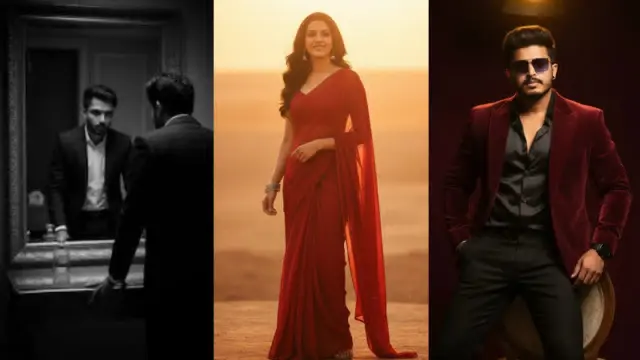
In the rapidly evolving world of artificial intelligence–driven creativity, portrait generation has reached an unprecedented level of sophistication. What once required a professional studio, advanced lighting setups, and hours of post-production can now be conceptualized and visualized through well-crafted AI prompts. Among the most powerful tools driving this transformation is Google Gemini, an advanced multimodal AI system capable of generating highly expressive, cinematic-quality visuals when guided with precision and intent.
However, while the technology itself is powerful, the true differentiator lies in how prompts are written. Without thoughtful direction, even the most advanced AI will produce generic or uninspired results. Conversely, with carefully structured prompts that emphasize lighting, composition, mood, storytelling, and subject identity, Gemini can generate portraits that rival the aesthetics of high-end cinema and editorial photography.
This is where cinematic portrait prompting becomes essential.
Why Cinematic Portraits Matter in the AI Era
Cinematic portraits are not merely images of faces. They are visual narratives. They convey emotion, personality, atmosphere, and story within a single frame. In traditional filmmaking and photography, cinematic portraits are used to introduce characters, establish tone, and create emotional resonance with the audience. Translating this concept into AI-generated imagery requires more than descriptive adjectives—it requires intentional prompt design.
As AI-generated visuals become more mainstream across industries such as digital marketing, branding, social media, content creation, and personal creative projects, the demand for high-quality cinematic portraits continues to grow. Influencers seek dramatic profile images, brands require visually compelling campaign assets, creators aim for movie-poster-level aesthetics, and professionals desire portraits that feel polished, expressive, and timeless.
Yet, many users struggle to achieve consistent cinematic results. The reason is simple: cinematic outcomes do not happen by accident. They are the result of structured prompting that considers subject gender, facial features, lighting style, camera angle, emotional tone, environment, and cinematic depth.
The Role of Gemini in Cinematic Portrait Generation
Gemini stands out because of its contextual understanding and ability to interpret layered instructions. Unlike basic image generation tools, Gemini responds exceptionally well to prompts that combine visual language, emotional cues, and technical photography terminology. This makes it particularly effective for generating cinematic portraits for both men and women.
Furthermore, Gemini’s adaptability allows creators to define unique artistic directions. Whether the subject is a rugged male character illuminated by dramatic low-key lighting or a graceful female subject framed in soft cinematic tones, Gemini adapts its output to align with the narrative embedded in the prompt.
Nevertheless, achieving professional results depends heavily on how well the prompt communicates vision.
Understanding the Anatomy of a Cinematic Prompt
Before exploring specific Gemini prompts, it is crucial to understand what separates a basic portrait prompt from a cinematic one. At its core, a cinematic prompt is structured around five foundational pillars:
- Character Identity: Age, gender, facial structure, clothing, posture, and expression
- Lighting Design: Soft lighting, hard shadows, rim light, or dramatic contrast
- Camera Language: Lens type, depth of field, framing, and angle
- Environment & Atmosphere: Background elements, color grading, and mood
- Emotional Narrative: Confidence, mystery, elegance, power, or vulnerability
When these elements are thoughtfully combined, Gemini interprets the request as a scene rather than a static image. As a result, the output gains depth, realism, and cinematic presence.
Why Gender-Specific Prompting Improves Cinematic Results
Another critical aspect of cinematic portrait creation is gender-specific visual direction. While artistic freedom should always be respected, cinematic storytelling has long used distinct visual techniques when portraying men and women.
Cinematic portraits of men often emphasize bold contrast, textured environments, angular lighting, and powerful or introspective expressions. These elements help communicate strength, authority, resilience, or inner conflict.
In contrast, cinematic portraits of women frequently focus on refined lighting, emotional subtlety, elegant composition, and careful emphasis on facial contours and eyes. These choices enhance grace, depth, and emotional resonance.
Gemini responds strongly when prompts acknowledge these stylistic tendencies. By tailoring prompts for men and women separately, creators achieve more intentional, expressive, and visually compelling results.
Transitioning from Generic to Cinematic Gemini Prompts
Many users begin with prompts such as “a realistic portrait of a man” or “a beautiful woman portrait.” While these prompts can produce acceptable images, they lack narrative depth and visual originality.
Cinematic prompts, on the other hand, introduce context and purpose. Instead of requesting a face, the prompt guides Gemini to create a moment—an emotion frozen in time, a character within a story.
This transition enables greater consistency across images, stronger visual identity, higher engagement on digital platforms, and professional-grade results suitable for commercial and branding use.
Why This Guide Focuses on Gemini Specifically
Although many AI platforms support image generation, Gemini excels in interpreting nuanced language. It allows creators to blend technical photography terminology with emotional cues, resulting in balanced realism and artistic flair.
Additionally, Gemini enables precise control over lighting, atmosphere, and composition. This makes it an ideal tool for cinematic portrait generation when guided by well-structured prompts.
The prompts introduced in this guide are not generic templates. They are cinematic frameworks designed to inspire, adapt, and scale across creative projects.
What You Will Gain from These Cinematic Gemini Prompts
As you move into the main sections of this blog, where the 10 Gemini prompts for cinematic portraits for men and women are presented, you will gain practical tools to elevate your AI-generated visuals.
You will learn how to structure prompts that Gemini interprets as cinematic scenes, adapt visual direction based on gender, and produce portraits suitable for branding, content creation, and professional portfolios.
More importantly, you will begin thinking like a director rather than a prompt user—guiding visual narratives instead of issuing simple commands.
Conclusion: Setting the Foundation for Cinematic Excellence
Cinematic portrait creation with Gemini is driven by intention. Every word shapes the final image. By understanding how lighting, mood, environment, and emotion interact within AI-generated visuals, creators gain full control over the creative outcome.
This introduction establishes the foundation for mastering cinematic Gemini prompts. In the sections that follow, you will explore ten carefully crafted prompts designed to produce expressive, cinematic portraits for both men and women.
Each prompt serves as a creative blueprint—transforming simple ideas into visually compelling stories, one cinematic frame at a time.